
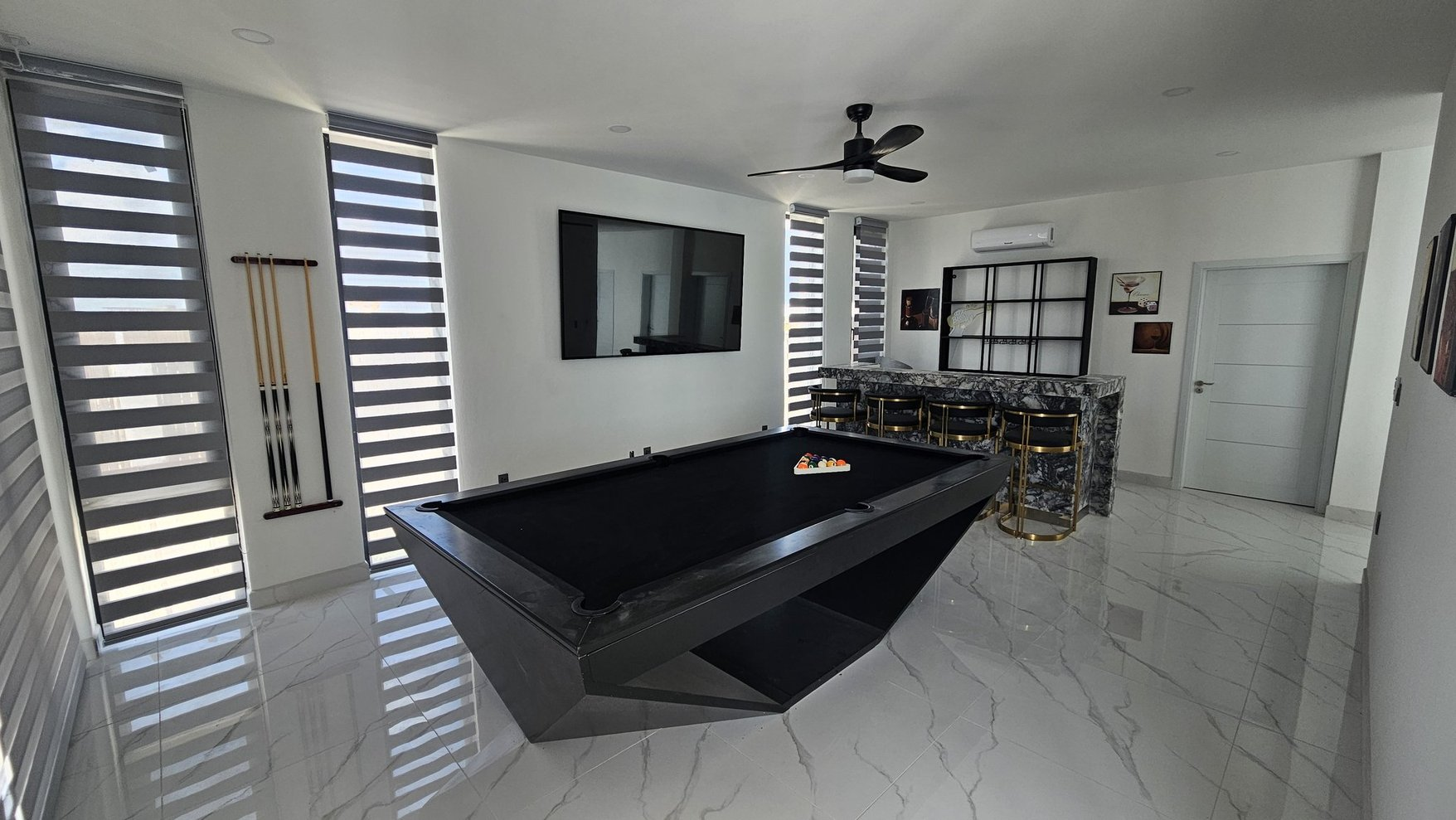
Preparing a little information before your first design conversation helps make it more useful. This guide brings together the details New Wave Design typically needs to discuss a space or a sourcing enquiry in Belize. It is a starting point, not a requirement to have every answer ready.
Describe the result you want
Start with what you want the project to change. You might need more comfortable seating, a clearer relationship between rooms, a terrace for entertaining or a coordinated selection of finishes. Explain the practical need as well as the look you have in mind.
Choose a small set of visual references and say what you like about each one. It may be the layout, the colour palette or a particular material rather than the whole room. This makes the images easier to interpret and helps avoid copying a space that does not suit your own property.
Collect photographs and measurements
Take photographs from several angles, including doors, windows and the areas around the space. Share any plans you have and note whether measurements are approximate or confirmed. For furniture, think about the room dimensions and the access route as well as the size of the item itself.
For an outdoor living project, show how the area connects to the building and describe its exposure. For interior design, identify existing pieces or finishes you want to keep.
Set priorities for budget and timing
An indicative budget helps focus the discussion, even if it is not final. Explain which parts are most important and whether the project can be divided into stages. Let us know about a target opening, move-in date or other deadline, while recognising that availability and lead times need to be confirmed.
For sourcing, separate the required quantities and specifications from preferences that are still flexible. Clarify the destination and ask which costs and responsibilities are included before agreeing an order.
A short checklist for your enquiry
- Property location and the spaces or product categories involved.
- How the space will be used and what you want to improve.
- Current photographs, reference images and available plans.
- Approximate dimensions, quantities and items you want to keep.
- Indicative budget, priorities and any timing constraints.
Turn the information into a conversation
You can send an outline first and add details as the brief develops. Read our project process to understand the next steps, explore our project gallery for references, or contact us to discuss the kind of support your project needs.